Features of Fipronil
- Broad-spectrum efficacy against ants, termites, cockroaches, fleas, ticks, and multiple agricultural pests.
- Non-repellent profile — pests cannot detect or avoid treated zones, which improves colony-wide control.
- Long residual activity in soil and structural applications. Termite barriers typically remain effective for 5 to 10 years when correctly installed.
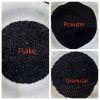
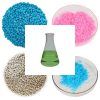
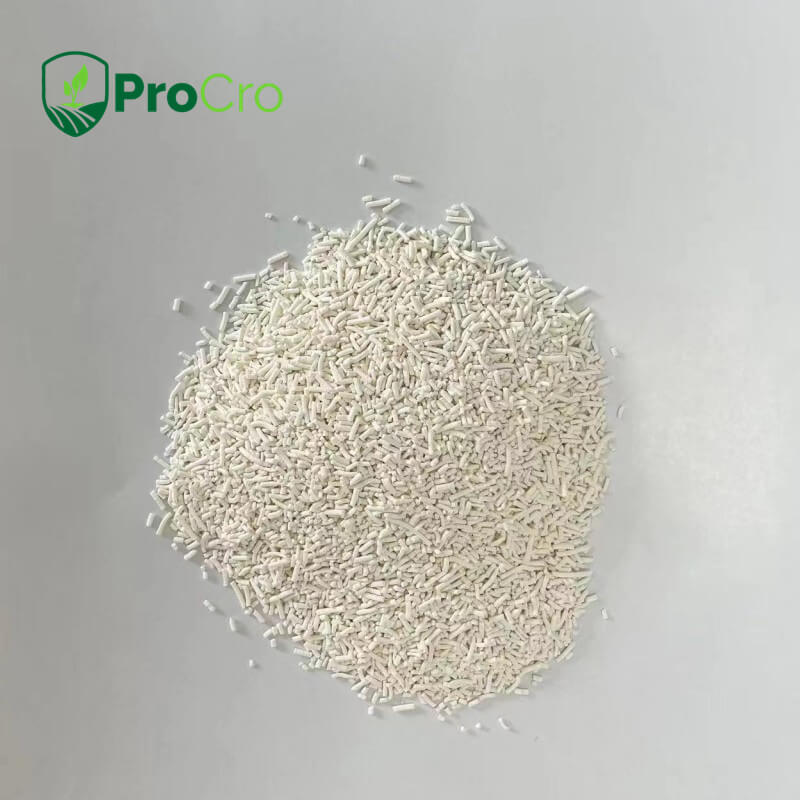
- Flexible formulation options for Fipronil insecticide. We supply several formulation types. Choose from suspension concentrate (SC), wettable powder (WP), and water-dispersible granule (WDG). We also offer dry flowable (DF), ready-to-use gel bait, and bulk technical concentrate (TC).
- IPM compatible. You can rotate fipronil with neonicotinoids and pyrethroids to manage resistance and fit integrated pest management programs.
- Trusted across segments. It works for crop protection and non-crop uses. These include professional turf management and public health vector control.
- Proven track record in regulated markets under IRAC MoA Group 2B classification.
Technical data
| Parameter | Specification |
|---|---|
| Active Ingredient | Fipronil |
| CAS Number | 120068-37-3 |
| Molecular Formula | C₁₂H₄Cl₂F₆N₄OS |
| Molecular Weight | 437.15 g/mol |
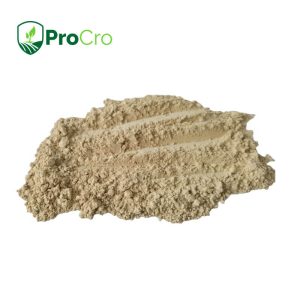
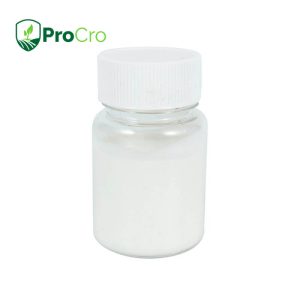
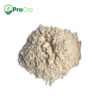
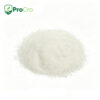
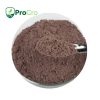
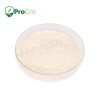
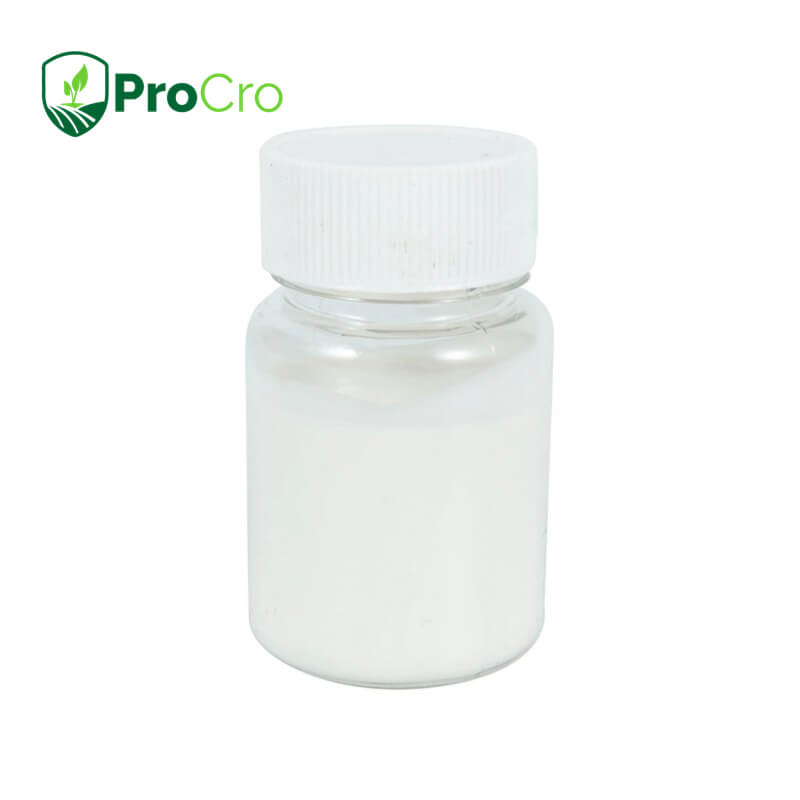
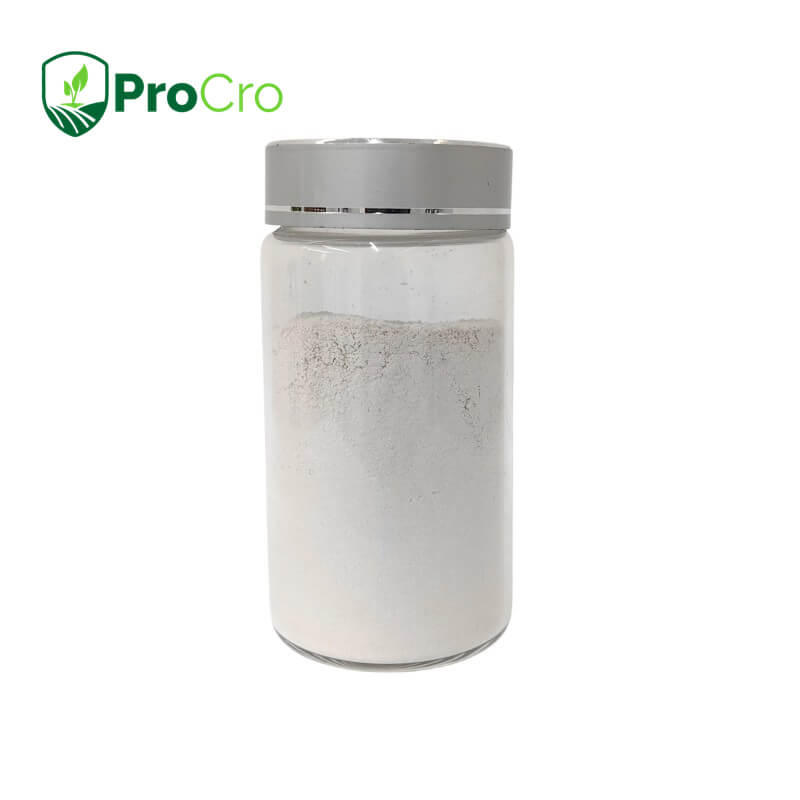
| Appearance (95% TC) | White to off-white crystalline powder |
| Typical Purity (TC) | 95% min |
| Solubility (20°C) | Water 1.9 mg/L; readily soluble in acetone, ethyl acetate |
| Melting Point | 200–201°C |
| Vapor Pressure | 3.7 × 10⁻⁷ Pa (25°C) |
| Stability | Stable under normal storage; avoid strong alkaline conditions |
All values are typical batch data. Request the lot-specific COA before shipment.
Product Details of Fipronil
We supply the following forms for international trade and formulation development:
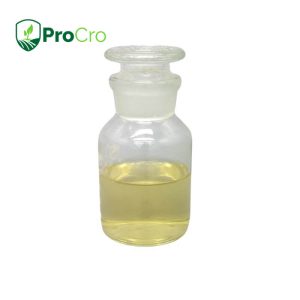
- Fipronil 95% TC — Primary technical material for Fipronil insecticide formulation and veterinary API synthesis. Packed in 25 kg fiber drums or UN-approved bags with batch traceability.
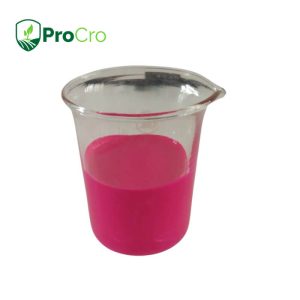
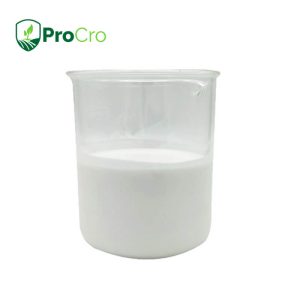
- Fipronil 5% SC — Water-based suspension concentrate of Fipronil insecticide for foliar and perimeter spray programs. Registered specifications available for rice, corn, sugarcane, and turf.
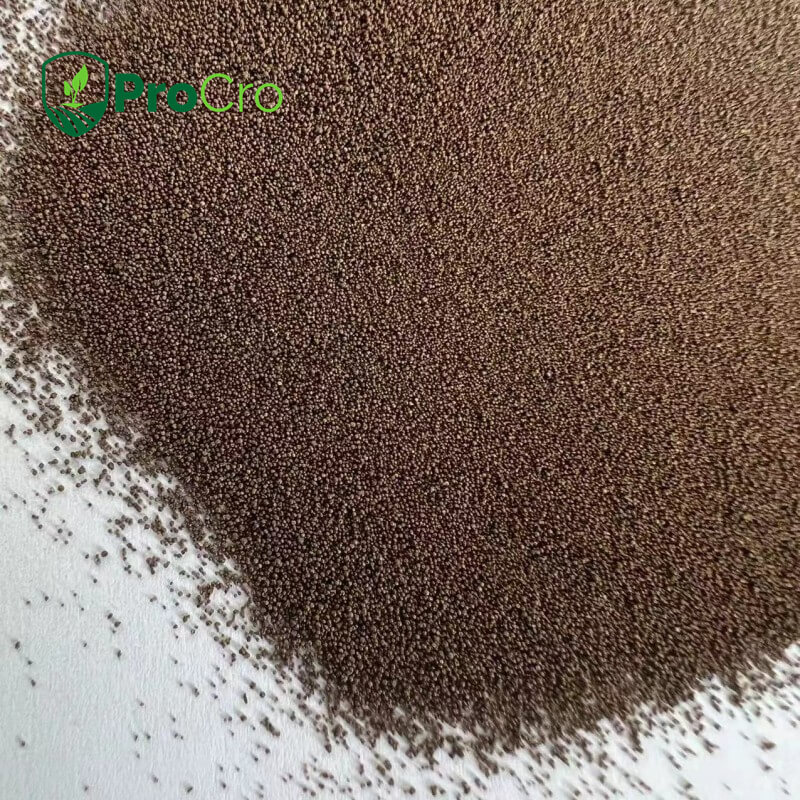
- Fipronil 80% WDG — High-load water-dispersible granule with low dust and excellent suspension. Ideal for professional applicators who require convenience and accurate dosing.
- Fipronil 80% DF is a dry flowable formulation. It offers handling advantages similar to WDG. This form is designed for markets where DF registration is preferred.
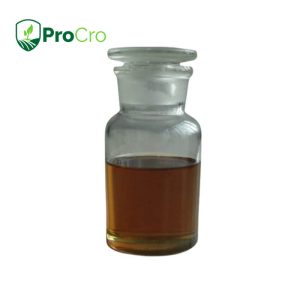
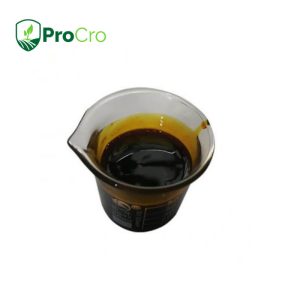
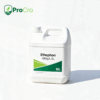
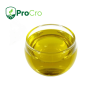
- Fipronil spray solutions — We formulate ready-to-use (RTU) and dilutable spray concentrates. These products serve fipronil termiticide programs, ant bait stations, and public health campaigns.
You can request custom concentrations and co-formulations. Popular combinations include fipronil + imidacloprid and fipronil + bifenthrin. Private-label packaging is also available.
Mode of Action
Fipronil insecticide belongs to the phenylpyrazole (fiprole) chemical family. It is classified under IRAC Group 2B — GABA-gated chloride channel blockers.
Fipronil blocks the passage of chloride ions through the GABA receptor in the insect nervous system. This action disrupts inhibitory neurotransmission. The result is uncontrolled neural excitation, paralysis, and eventual death.
Mammals possess structurally different GABA receptors. For this reason, fipronil shows selectivity toward insects when used as directed.
Fipronil is non-repellent. Exposed insects transfer the active ingredient to nestmates through contact and grooming. This transfer effect makes fipronil especially valuable in termite and ant colony management.
Application
Fipronil’s adaptability makes it a valuable tool across multiple professional segments. The actual dose, pre-harvest interval, and approved crops depend on the destination registration. Always follow the label instructions that apply in your country.
- Agricultural use
You can apply Fipronil insecticide as a soil treatment, seed treatment, or foliar spray. It controls stem borers, rootworms, thrips, and leaf miners in rice, corn, sugarcane, and oilseeds. In canola, fipronil seed dressing provides early-season protection against redlegged earth mite. - Termite control
Fipronil insecticide works as a fipronil termiticide barrier in pre-construction and post-construction soil applications. Its non-repellent action prevents termites from avoiding treated soil. This leads to colony elimination. Typical application rates range from 0.05% to 0.1% active ingredient in soil trenches. - Public health and structural pest management
Fipronil spray formulations and gel baits target cockroaches, ants, and fleas. They are used in residential, commercial, and institutional settings. Crack-and-crevice treatments and perimeter sprays provide long-term control. - Animal health (API supply only)
We supply technical-grade fipronil to veterinary manufacturers. This material goes into spot-on solutions for fipronil for dogs and fipronil for cats.Our material is tested for related impurities. It meets the purity requirements for veterinary drug production.
Frequently Asked Questions
General Questions
- What is fipronil used for?
Fipronil is a broad-spectrum insecticide. You can use it in crop protection and professional pest control. It also serves as an active ingredient in veterinary flea-and-tick products. It targets ants, termites, beetles, cockroaches, fleas, ticks, and a wide range of soil and foliage pests. - How does fipronil kill termites?
As a non-repellent termiticide, fipronil binds to soil and creates a continuous treated zone. Termites cannot detect it and carry the active ingredient back to the colony on their bodies. This transfer effect helps eliminate the entire population over time. - What formulations do you offer?
We supply Fipronil 95% TC for formulation and API use, plus 5% SC, 80% WDG, 80% DF, and custom spray or bait concentrates. All formulations can be tailored with private labels and destination-specific packaging.
Safety & Toxicity Questions
- Is fipronil toxic to humans?
Fipronil is classified as moderately toxic (WHO Class II) by acute oral exposure. High-dose or prolonged skin contact may cause mild irritation, headache, or nausea. When handled with proper personal protective equipment and according to label instructions, risks to operators are minimal. Industrial handling should always follow the safety guidelines provided in the SDS. - Is fipronil safe for dogs and cats?
When formulated correctly and applied at approved veterinary doses, fipronil is safe for dogs and cats. It targets insect GABA receptors and has a wide safety margin in mammals. Toxicity incidents in pets almost always result from accidental ingestion of concentrated products. Other causes include off-label use or applying dog formulations on cats. We supply technical-grade API to licensed veterinary manufacturers. We do not sell finished pet products. - Is fipronil toxic to bees?
Yes. Fipronil is highly toxic to bees under laboratory conditions. In field use, you can reduce risk through several measures. Apply outside flowering periods. Use seed treatment formulations. Use soil incorporation methods to limit direct exposure. Beekeeping areas require special precaution. Always follow local regulatory guidance. - What environmental precautions should I know?
Fipronil binds strongly to soil and has low mobility. This reduces groundwater contamination risk. However, fipronil is very toxic to aquatic organisms. Keep it away from water bodies, drains, and areas with a shallow water table. Maintain proper buffer zones. Dispose of empty containers and washings according to local regulations. - Can fipronil cause skin or eye irritation?
The concentrated technical material may cause mild skin sensitization and eye irritation. Industrial operators should wear protective gloves, goggles, and long-sleeved clothing. In case of contact, rinse immediately with plenty of water and seek medical advice if irritation persists. - What should I do in case of accidental ingestion?
Do not induce vomiting. Rinse mouth with water and seek immediate medical attention. Show the product label, SDS, or COA to the treating physician. Fipronil has no specific antidote; treatment is symptomatic and supportive.
Product Comparison Questions
- Fipronil vs Imidacloprid — which is better for termite control?
Fipronil insecticide is non-repellent and undetectable by termites. This promotes colony-wide transfer and elimination. Imidacloprid acts primarily as a stomach and contact poison. At high concentrations, it shows some repellent properties. For long-term structural termite barriers, fipronil provides longer residual control (5–10 years). For foliar sucking pests in agriculture, imidacloprid is often preferred. Its systemic movement in plants gives it an advantage. - Fipronil vs Bifenthrin — what is the difference?
Bifenthrin is a pyrethroid with a strong repellent effect and quick knockdown. It works well for perimeter pest control and surface sprays. Fipronil insecticide is non-repellent and slower-acting. It provides superior colony elimination in social insects like termites and ants. Many professionals use bifenthrin for immediate barrier protection. Fipronil serves long-term nest elimination. - Fipronil vs Chlorantraniliprole — which should I choose?
Chlorantraniliprole (IRAC Group 28) activates ryanodine receptors in insect muscles. This causes feeding cessation and death. It is highly selective with very low mammalian toxicity. Fipronil insecticide (IRAC Group 2B) targets GABA channels in the nervous system. It offers a broader pest spectrum including termites and cockroaches. For lepidopteran pest management in row crops, chlorantraniliprole is often the first choice. For soil and structural pests, fipronil remains the benchmark. - Fipronil vs Indoxacarb — how do they compare?
Indoxacarb (IRAC Group 22A) requires metabolic activation inside the insect body. This makes it slower to show symptoms but highly effective against cockroach and ant populations. Fipronil acts faster through direct GABA blockage. In public health, indoxacarb is a strong rotational partner. In termite management, fipronil holds a more established registration history. It also has a longer residual data record. - Fipronil vs Fipronil Sulfone — are they the same?
No. Fipronil sulfone is the primary oxidative metabolite of fipronil. It can form during environmental degradation or storage under suboptimal conditions. It also exhibits insecticidal activity. In veterinary API specifications, sulfone and sulfoxide content are strictly limited. We test every batch of technical material and report both impurities on the COA. - Fipronil EC vs SC — which formulation should I stock?
EC (emulsifiable concentrate) uses organic solvents. It offers excellent tank stability and rapid dilution. SC (suspension concentrate) is water-based. SC reduces solvent-related phytotoxicity risk. It also aligns better with modern regulatory trends toward lower-VOC products. For markets with strict VOC regulations (e.g., EU, USA), SC is the safer registration path. For cost-sensitive markets with established solvent-handling infrastructure, EC remains popular.
Business & Supply Chain Questions
- What is the shelf life of fipronil products?
Store fipronil TC and formulations in cool, dry conditions away from direct sunlight. Under these conditions, most products remain stable for at least two years. Actual shelf life is confirmed batch by batch and stated on the COA. - Can I request a custom blend with fipronil and another active?
Yes. We support custom co-formulations such as fipronil + imidacloprid and fipronil + bifenthrin. Each project requires a technical feasibility review and minimum order quantities. Contact us with your target formulation profile. - Where can I get a COA and SDS for your fipronil?
Technical documents are provided during the quotation process. To receive the latest COA, SDS, and TDS, submit your destination country and intended use segment. Use our inquiry form.
Related products